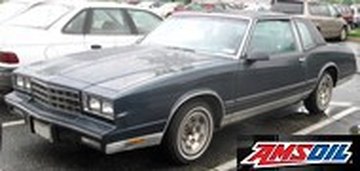
Maintaining Lubrication Standards for the 1982 Chevrolet MONTE CARLO 3.8L
Proper engine maintenance is a cornerstone of long-term vehicle health, particularly for an engine that has been in operation for several decades. For the 1982 Chevrolet MONTE CARLO equipped with the 3.8L engine, consistent attention to lubrication and fluid integrity helps ensure the mechanical components continue to operate as intended.Monitoring Fluid Integrity and Potential Seepage
As vehicles age, the materials used in various seals and gaskets can undergo changes in flexibility. For a 1982 model, it is practical to perform regular visual inspections of the engine area to identify any signs of fluid seepage. Rather than waiting for a significant leak to develop, an owner can look for oily residue or dampness around sealing surfaces. When conducting these inspections, focus on areas where fluids might collect. Identifying small amounts of seepage early allows for better planning regarding maintenance and prevents the potential for sudden fluid loss. It is also useful to check the condition of any visible hoses or connections that may be subject to heat cycles. If any components appear excessively brittle, cracked, or show signs of weeping, they should be investigated to prevent future issues.Observing Changes in Engine Performance and Lubricant Condition
Maintaining a 1982 Chevrolet MONTE CARLO requires an observant approach to how the engine behaves during operation. While many mechanical changes happen internally, certain external indicators can warrant closer inspection. Changes in the way the engine sounds or operates may be associated with various factors, including the condition of the lubricant currently in use. If you notice unusual mechanical noises or if the vehicle seems to behave differently than it did following a recent service, these are valid reasons to investigate further. Additionally, monitoring for any unexpected exhaust smoke can be an indicator that something requires attention within the engine's combustion or lubrication environment. It is important to remember that many symptoms—such as a change in engine sound or a new odor—can have multiple underlying causes. A single observation does not provide a definitive diagnosis, but it serves as a signal that a professional inspection may be necessary to determine the exact cause.Prioritizing Maintenance Based on Current Condition
For owners of an older vehicle, deciding which maintenance tasks to prioritize can sometimes feel overwhelming. Rather than following a generic age-based schedule, a more effective strategy is to base service priorities on the actual, current condition of the 3.8L engine and its supporting systems. If you do not have a complete history of previous repairs or fluid changes, establishing a maintenance baseline is a helpful first step. This involves performing a thorough inspection of all fluids and visible mechanical components to understand the vehicle's starting point. Once this baseline is established, you can focus your efforts on:- Addressing any active leaks or evidence of seepage identified during inspections.
- Responding to any warning indicators or changes in operating behavior.
- Ensuring that all fluid levels are maintained according to the application-specific information provided for the vehicle.
- Reviewing and documenting all completed services to build a reliable history for future decision-making.
The Role of High-Mileage Formulations
As engines accumulate significant mileage over many years, some owners consider different types of engine oil to address the specific needs of aging mechanical systems. Some high-mileage oil formulations contain additives intended for use in aging engines. These specialized lubricants may include seal-conditioning additives designed to help maintain the integrity of various gaskets and seals. While these formulations can be a useful tool in a maintenance strategy, they are not a substitute for addressing active leaks or mechanical failures. They are best viewed as part of a proactive approach to managing an older engine's lubrication needs.Effective Record Keeping for Long-Term Ownership
One of the most valuable tools for any vehicle owner is a detailed maintenance log. For a 1982 Chevrolet MONTE CARLO, keeping a record of when oil was changed, which products were used, and when other components were inspected can provide immense value. A well-maintained history allows you to:- Identify patterns in fluid consumption or leakage.
- Verify that the correct lubricants have been applied over time.
- Provide clear information to technicians if professional service is required.
- Make informed decisions about whether a component is nearing the end of its service life based on documented usage and condition.